
Free parking: how to secure it without driving customers away?
A poorly managed free parking lot isn't an advantage, it's an invisible problem. Spaces are monopolised by non-customers, your real visitors can't find a spot, and you have no leverage to act. This guide explains how to take back control without signs, tickets or security staff.
The real problem: your customers can't find a space
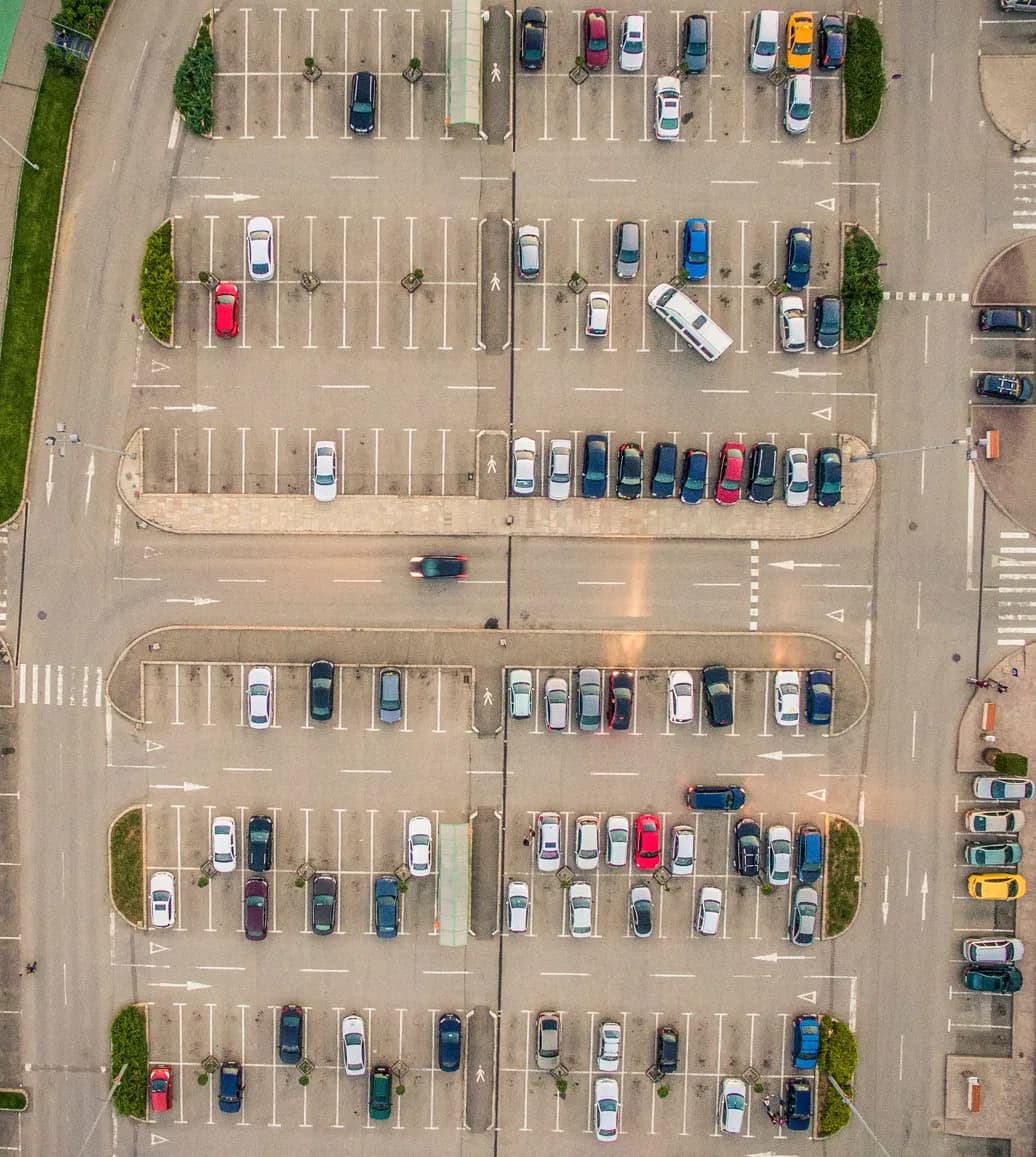
Free parking attracts people. That's the point. But without enforced rules, it also attracts the wrong ones: employees from nearby offices, local residents, passing visitors who stay 4 or 5 hours. The result: at peak times, your car park is full, just not with your customers. The loss is double: brand damage and lost revenue.
Why it's hard to manage manually
Manual management of a free car park requires continuous human presence, the ability to identify vehicles in violation and a process to contact or penalise them. In practice, no private parking operator can afford to dedicate a resource to this task. The result: rules exist on paper, no one enforces them. The abusers know it. And they come back.
The 3 classic mistakes
Installing a pay-and-display machine
It adds a mandatory step for every visitor. Tickets to keep, machines to maintain, regular breakdowns: you solve one problem by creating three.
Putting up signs
"2-hour parking limit." Ignored from day one. Without an enforcement system, signage has zero deterrent value.
Hiring a parking attendant
High fixed cost, partial coverage, zero effectiveness outside working hours. And impossible to scale.
The solution: automatic control by licence plate recognition
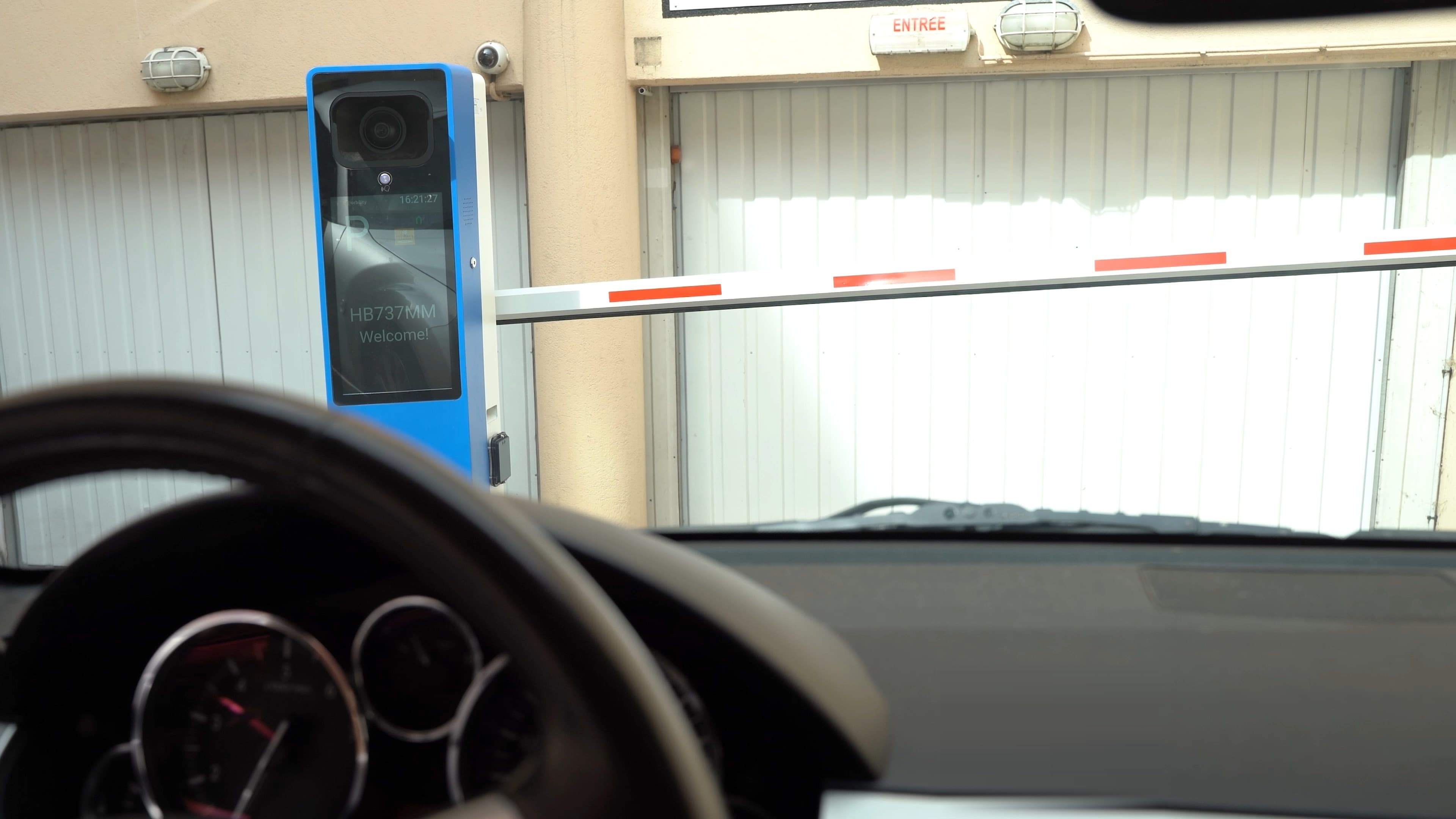
The LPR camera reads each plate on entry and records the arrival time. You set a maximum authorised duration: 1h, 2h, depending on your activity. Your subscribers, partners and service providers are whitelisted: free passage, no time limit. Beyond the allowed time, an alert is triggered automatically. No barrier. No ticket. No attendant. Just rules that are enforced.
What this changes in practice: spaces free up more often. Your customers find parking at peak times. Your team stops spending time on this issue. And if a vehicle is flagged for a violation, you have a timestamped record with a plate photo , a solid basis for action.
Everything is configured in minutes from the Spark dashboard. Durations, whitelists, alerts: every parameter is adjustable at any time, from any device.
+30%
space turnover
-100%
tickets and barriers
72h
average Spark installation
Your free car park deserves better than a sign.
Our experts analyse your setup and propose a solution tailored to your volume and sector.
Request a free demo