
Ticket vs LPR: what criteria to choose in 2026?
In 2026, the parking ticket hasn't disappeared, but it's declining. License plate recognition (LPR) is gradually becoming the standard for private parking, from hotels to clinics, residential buildings and retail centres. Yet both systems still coexist, and the choice isn't always clear. This guide compares both approaches on the criteria that actually matter: cost, experience, data, fraud, deployment. The goal: help you make the right decision for your context.
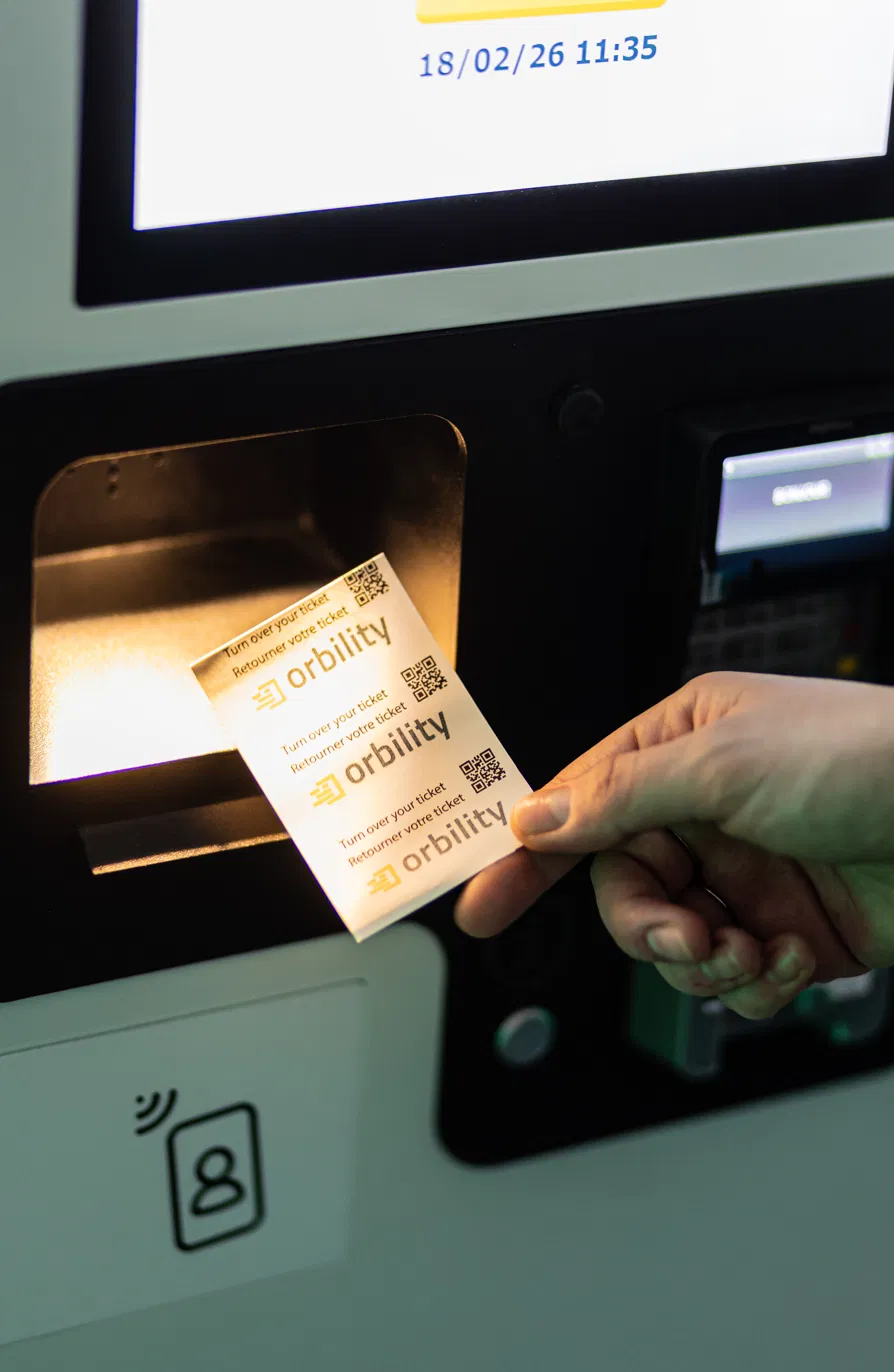 Ticket system
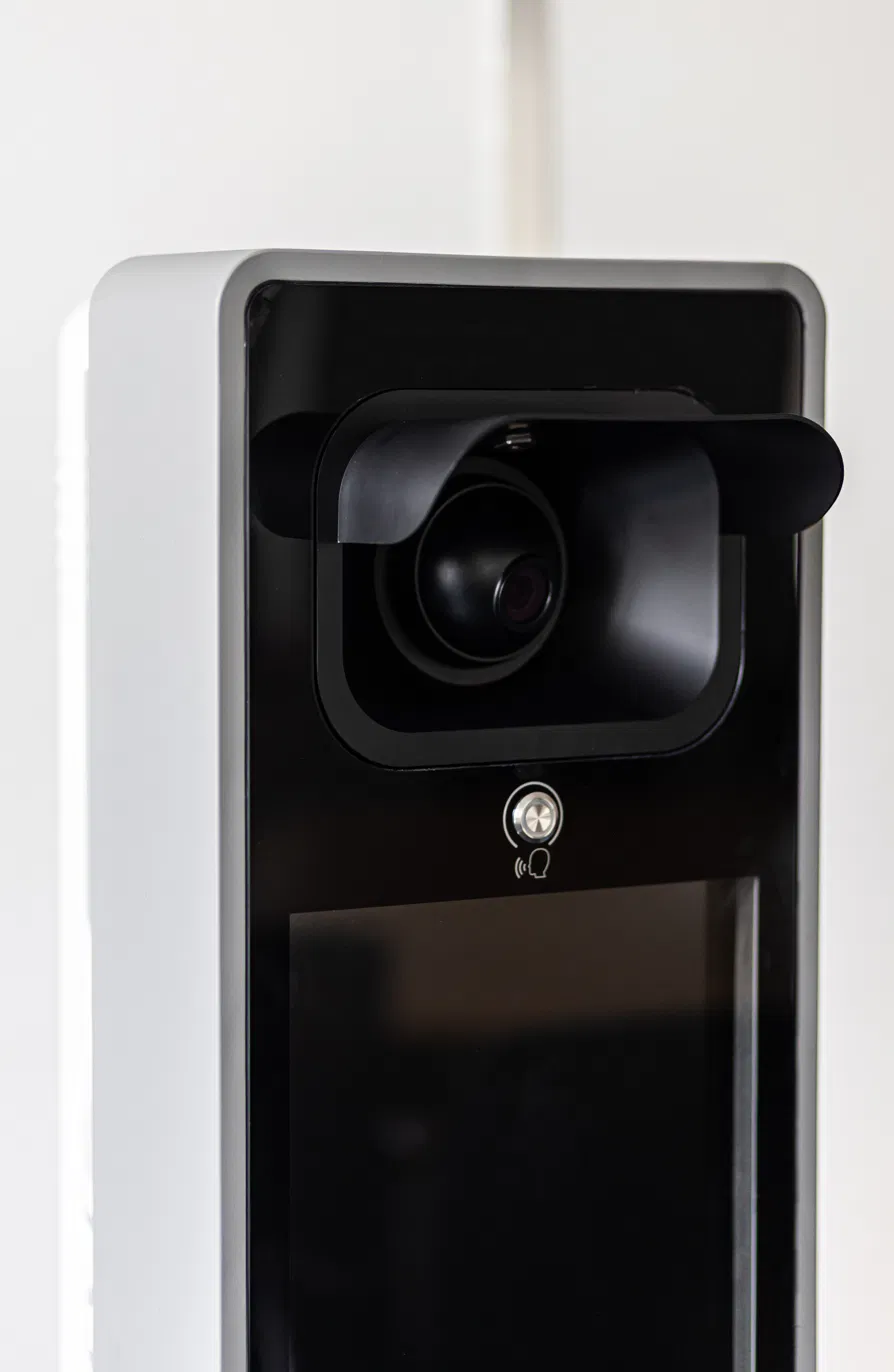 License plate recognition
Summary comparison
The real cost: beyond installation
A ticket system can look cheaper at first glance. An entry kiosk, a printer, an exit cashier. But add ticket rolls, regular mechanical maintenance, on-site callouts and the staff time spent on daily management. Over 3 years, the total cost of a ticket system often exceeds that of a cloud LPR solution, which requires no consumables and no physical intervention. Remote maintenance and software updates are included in the subscription.
Visitor experience: an underrated criterion
A ticket means one more action for your visitor: take the ticket on entry, keep it, present or insert it on exit. Forget it and you have an incident. Lose it and you have a dispute. LPR removes all that friction: the plate is read on entry, the visitor leaves without getting out of their car. For a hotel, clinic or premium retail environment, that fluidity is directly perceived as a quality signal. It also reduces exit queues at peak hours.
Data: the real operational difference
A ticket system tells you how many tickets were issued. An LPR system tells you who entered, at what time, how long they stayed, how often they came back, and what revenue they generated. That data lets you optimise pricing, anticipate peaks, detect abuse, and run your parking as a profit centre. Accounting exports are automated, alerts are configurable, and the dashboard is accessible from any device.
Which system for which profile?
3–5 star hotel
LPRGuests expect a frictionless experience from arrival. Subscribers (staff, partners) are automatically recognised. PMS integration enables parking to be billed to the room.
Clinic / healthcare facility
LPRPatients often have their hands full. Doctors, delivery drivers and service providers get whitelisted. Flow is unpredictable and hard to manage manually.
Public / event parking
HybridHigh anonymous volume, passing visitors, legal fiscal receipt requirements in some cases. A hybrid system (LPR + timestamped payment) can combine both benefits.
-80%
weekly management time
+25–35%
effective revenue collection
72h
average Spark installation time
The ticket isn't obsolete, but it's become the default choice for those who haven't yet assessed the alternatives. For most private parking facilities, LPR reduces costs, improves experience and generates actionable data from day one. If you manage a hotel, medical, residential or retail parking, the question is no longer "is LPR worth it?" It's "why not yet?"
Still unsure?
Our experts assess your situation for free and recommend the right solution for your volume and sector.
Request a free assessment